
Farmed Salmon vs. Wild Salmon: The Great Debate
Like most debates, the farmed vs. wild salmon debate is complex. When comparing farmed salmon vs wild salmon, we have to consider a multitude of factors, and even then it’s not possible to label one kind as “better” in all instances! In fact, there are so many factors to consider we won’t try to address them in one blog post (even our eyes would glaze over!). Here’s the first comparison post where we focus on taste and culinary factors of farmed vs. wild salmon. Stay tuned for other posts comparing cost, availability, sustainability/responsibility, nutrition and quality.
Which tastes better: farmed salmon vs wild salmon?
Farmed salmon tends to have a milder taste, and a more tender texture, which makes it more popular with a lot of people. Farmed-raised salmon also have big, fleshy sections of intramuscular fat that create easily flaked and moist pieces once cooked.
Wild Salmon has a much more pronounced and strong fish flavor, which is absolutely loved and sought after by many home cooks and chefs! However, the stronger flavor can sometimes be off-putting, so it is a matter of preference.
Which is easier to cook: farmed salmon vs wild salmon?
Generally speaking, farmed salmon is easier to cook. That’s because it tends to be fattier, with thicker fillets on average, making it more forgiving no matter the cooking application.
Wild salmon tends to be leaner with more muscle fibers, making it a bit firmer than farmed salmon. These attributes make it easier to overcook wild salmon so it’s dry, rubbery and extra forward on the “fishiness” factor.

Summary taste & cooking for farmed salmon vs wild salmon
For all of the reasons above, which are generalizations, many people prefer the taste and texture of farmed salmon. However, no matter if a fish is farmed or wild, a healthy fish will always create the best end product, and to some degree flavor and texture depends on the species, its diet, the specific farming practices and environment, etc.
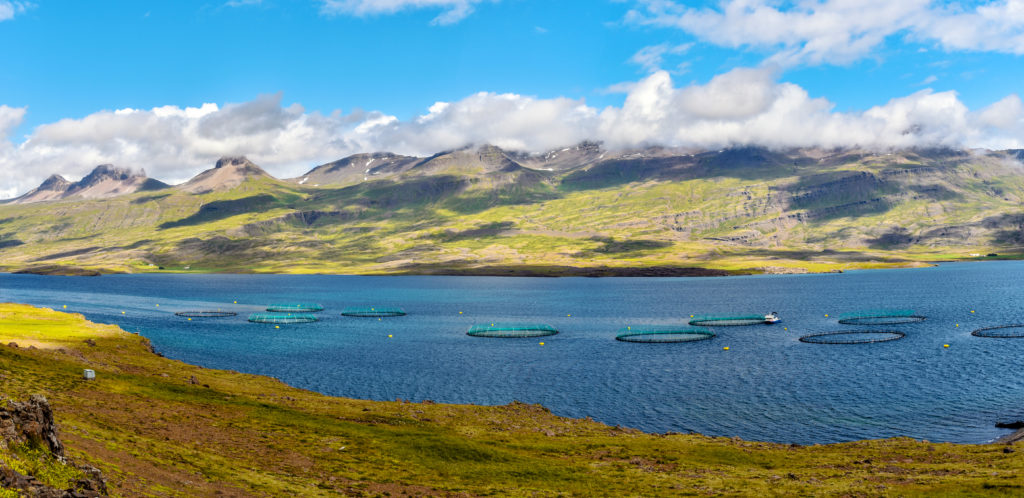
Get to know our farm-raised, Icelandic salmon
Taste and Cooking: farmed salmon vs wild salmon
| Farmed | Wild |
|
|

What does sustainable seafood mean?
What does sustainable seafood mean? Sustainable food systems are created by both supply and demand side factors. The most crucial factor on the seafood supply side is the sustainable management of fisheries, and the closing of the fisheries as needed. And, just like a well-managed fishery is willing to close its doors, a thoughtful buyer seeks out different species and what’s abundant at [...]


Get to know our farm-raised, Icelandic salmon
Get to know our farm-raised, Icelandic salmon Raised in offshore farms by Arnarlax along the Western coast of Iceland, our salmon thrive in the ice-cold currents and they’re exactly what you want in salmon - perfect fat content, flakiness, and flavor. Farm-raised salmon, starts with the smolts (baby salmon) The eggs are provided by an Icelandic breeding company with decades of experience in [...]


Get to know our farm-raised, Icelandic arctic char
Get to know our farm-raised, Icelandic arctic char Have you ever tried arctic char? It’s a delicately flaky pink fish with a beautiful, nutty flavor. Char is often used as an alternative to salmon or steelhead trout - different species but very similar in texture and flavor. Matorka Farms The farm-raised arctic char we supply is raised at Matorka, which is an environmentally-responsible, [...]